How to wash windows without streaks – a method that actually works
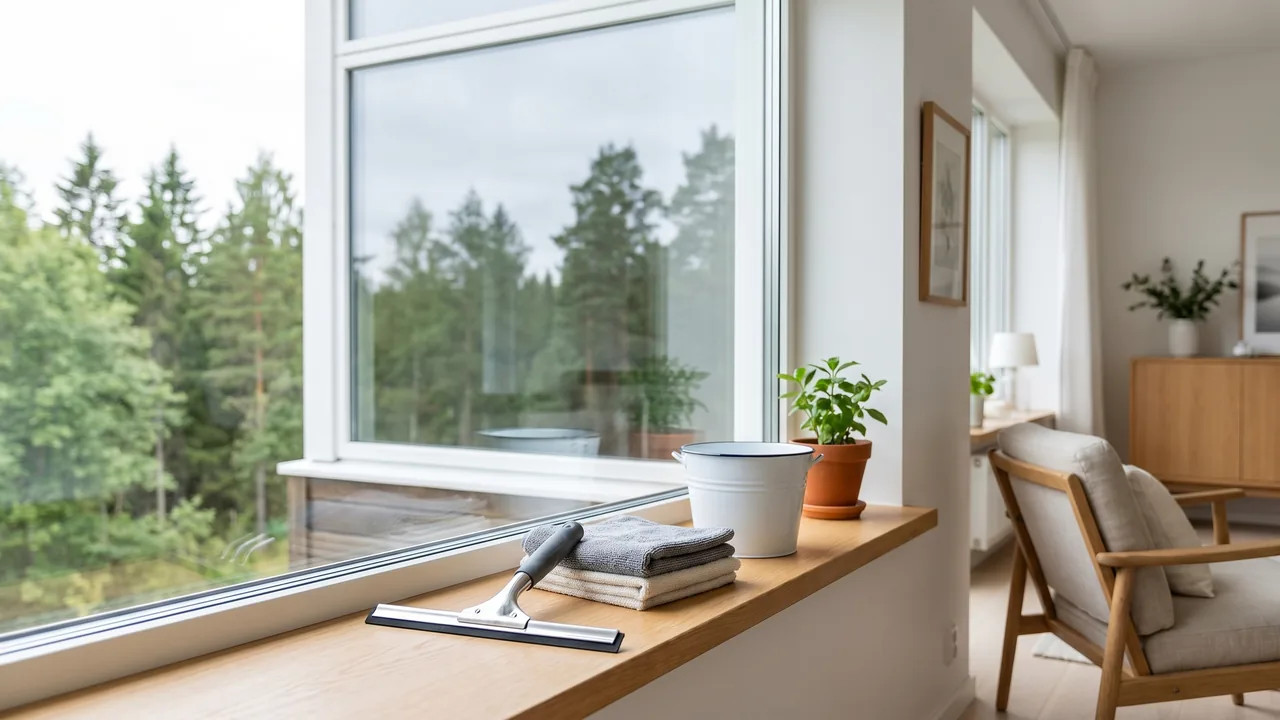
The fastest path to streak-free windows is lukewarm water with just a few drops of dish soap, a squeegee to pull off the water, and a dry microfiber cloth for the edges. Most importantly: never clean in direct sunlight. The water will dry before you have time to wipe it off, leaving you with the very streaks you wanted to avoid. With the right equipment, a standard pane takes under two minutes.
What equipment do you need?
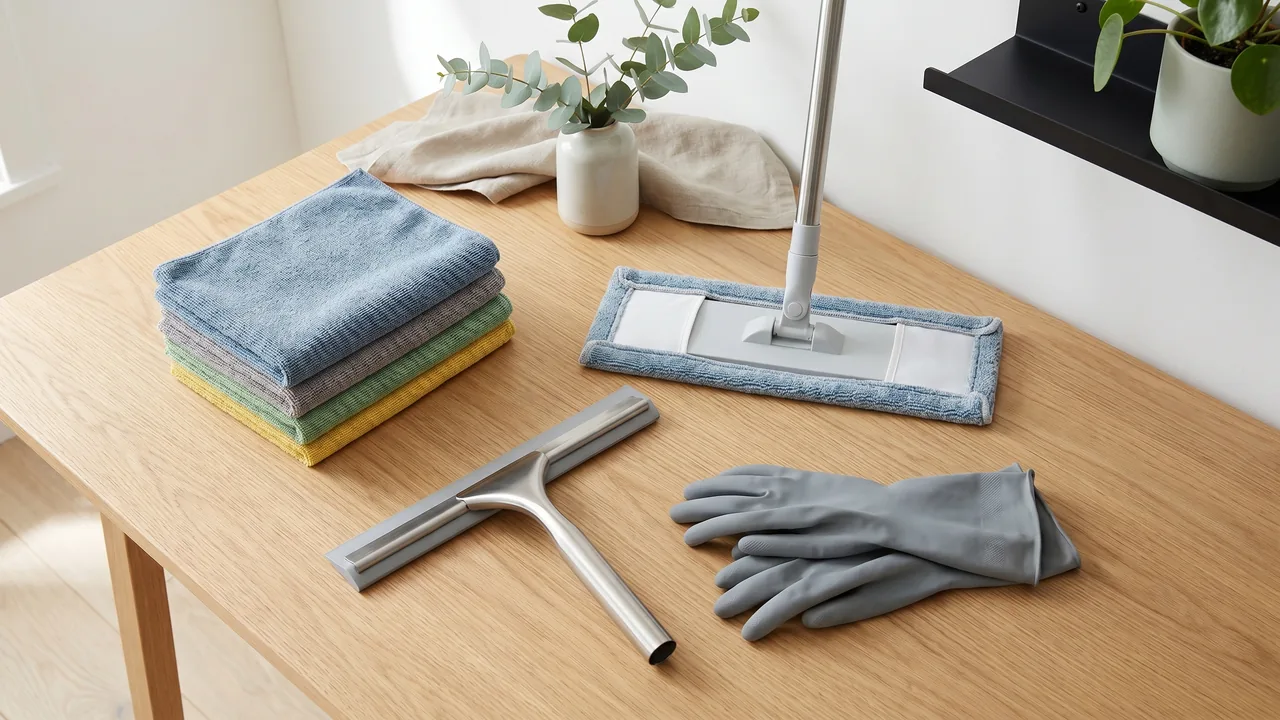
You can get far with four things, and none of them are expensive:
- Nal (squeegee) with a rubber blade – provides the smoothest result on large panes.
- Microfiber cloth – at least two, one for washing and one dry for polishing.
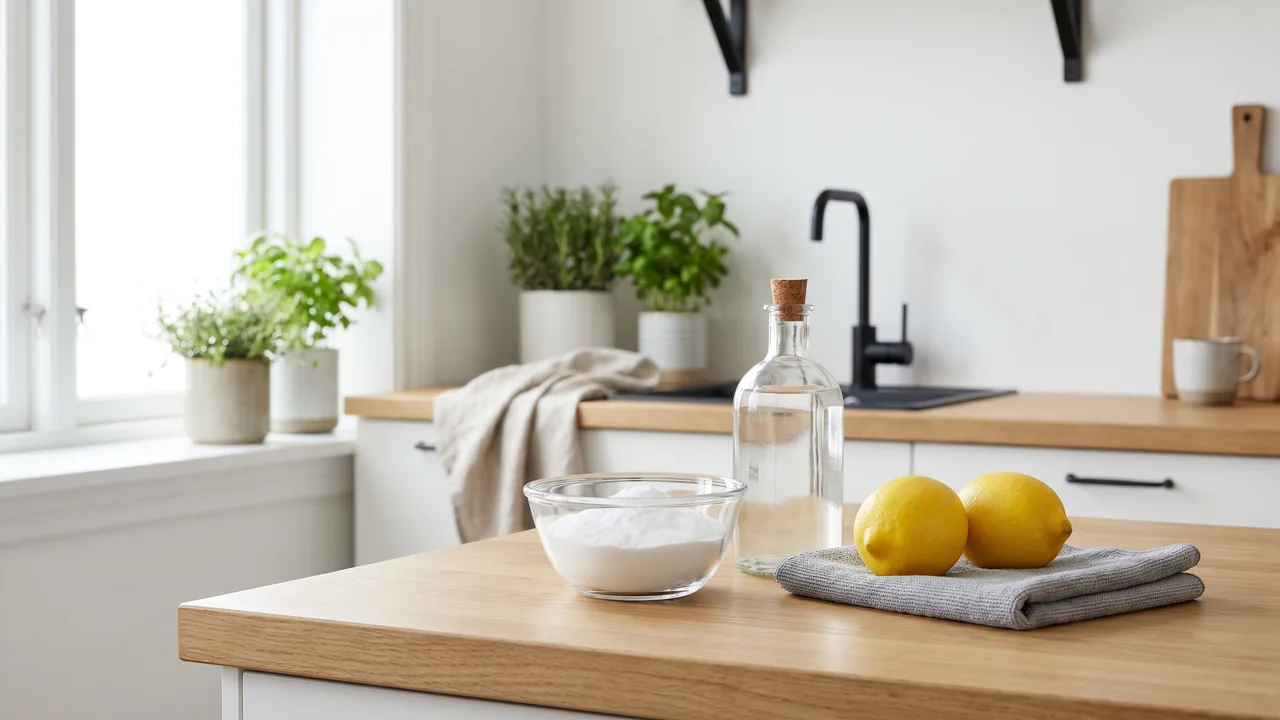
- Bucket of lukewarm water and a few drops of dish soap, or approx. 1 dl vinegar per liter of water.
- A soft cloth or washing applicator to wet the glass evenly before using the squeegee.
Forget paper towels and newspaper. Paper towels leave lint, and newspapers are not what they used to be – modern printer's ink smudges rather than polishes. A clean microfiber cloth beats both.
Why shouldn't you do window cleaning in the sun?
Because the heat dries the wash water in seconds. When the water evaporates quickly, soap residues and limescale are left behind as white film and streaks, and you simply will not have time to pull the squeegee over the entire pane before it begins to dry at the edges.
Therefore, do your cleaning when the pane is in the shade. On a sunny day, this means taking east-facing panes in the evening and west-facing ones in the morning. An overcast, mild day offers the very best weather for window cleaning – not the nicest weather, but the right weather.
How to clean windows step by step
- Wipe away loose dust first. Go over the frame and pane with a dry cloth or brush. If you wash wet over dry dust, you will only create mud and streaks.
- Mix the wash water. A few drops of dish soap in a bucket of lukewarm water is enough. Too much soap is the most common cause of streaks – more suds mean more residue.
- Wet the entire pane evenly using a wet microfiber cloth or applicator. Dissolve the dirt; do not skimp on water here.
- Pull the squeegee. Start at a top corner and pull straight down in even, overlapping strokes. Wipe the rubber blade with a dry cloth after each stroke – this is where people get careless.
- Dry the edges with a dry, clean microfiber cloth. The squeegee does not reach all the way into the corners.
- Polish at the end by going over the entire glass with a dry cloth while it is still just barely damp. Hold backlighting against the pane to catch any film you otherwise would not see.
If you do not have a squeegee, skip step 4 and use two cloths instead: wash with the wet one, and dry immediately after with a completely dry and clean cloth in circular motions, then linearly at the end.
Inside or outside – is there any difference?
Yes, and it pays to know which side the streak is on. Outside, the pane collects wall dust, pollen, and limescale from rain; inside, there is grease from fingers, cooking fumes, and dust from indoor air. A good trick: wipe the inside with horizontal strokes and the outside with vertical strokes. Then you will immediately see whether a remaining streak is outside or inside, saving you from guessing.
Clean the inside last. The windowsill collects more dirt than you think, so wipe it down with a cloth before polishing the glass.
Common mistakes – and how to fix them
Most streak issues come down to three things: too much soap, too much sun, or dirty equipment. The table below helps you identify the cause quickly.
| Problem | Cause | Solution |
|---|---|---|
| Streaks after cleaning | Too much soap, or the water dried before you wiped it off | Use fewer drops of dish soap, and clean in the shade. Polish over again with a dry cloth |
| White haze / dull film | Limescale in tap water or soap residues | Wipe over with vinegar water (1 dl per liter), polish dry afterward – but keep vinegar away from natural stone or marble sills, as acid etches stone |
| Condensation between panes | Failed insulated glass – moisture between glass layers | Cannot be washed away. The glass must be replaced by a glazier |
| Lint and fuzz on glass | Paper towels, newspaper, or a worn cloth | Switch to a clean microfiber cloth, wash it without fabric softener |
| Fingerprints that won't come off | Grease from hands, common on the inside | A few drops of dish soap dissolve grease, or vinegar water for stubborn marks |
| Streaks only along edges | Squeegee doesn't reach, and you didn't dry the edges | Always dry the edges with a dry cloth after pulling the squeegee |
One final point about the cloth: wash microfiber cloths without fabric softener. Softener leaves a thin layer on the fibers that makes them smear instead of dry – leaving you right back where you started.
How often should you clean your windows?
For most homes, window cleaning twice a year is sufficient, in spring and autumn. If you live by a busy road, near the sea, or have smokers in the house, an extra round mid-summer might be worth it. If you want a plan for the rest of your home too, we have collected recommendations in how often you should clean your home.
When does it pay to outsource the job?
Many second-floor panes, large glass facades, or skylights you cannot reach safely are good reasons to bring in professional help. This saves you from climbing ladders, and professionals have telescopic squeegees and pure-water systems that leave the glass spotless. If you hire someone, check that the company has a legal status in Renholdsregisteret (the Norwegian Labour Inspection Authority's Renholdsregisteret) – it is a legal requirement. Read more about legal cleaning help and Renholdsregisteret, so you know what to verify.
If you are moving out, the windows are part of the requirements for move-out cleaning anyway. The same rules apply here – just with a bit more time set aside, as no move-out is approved with streaks in the sun.