Bad odor in the washing machine? How to clean it yourself
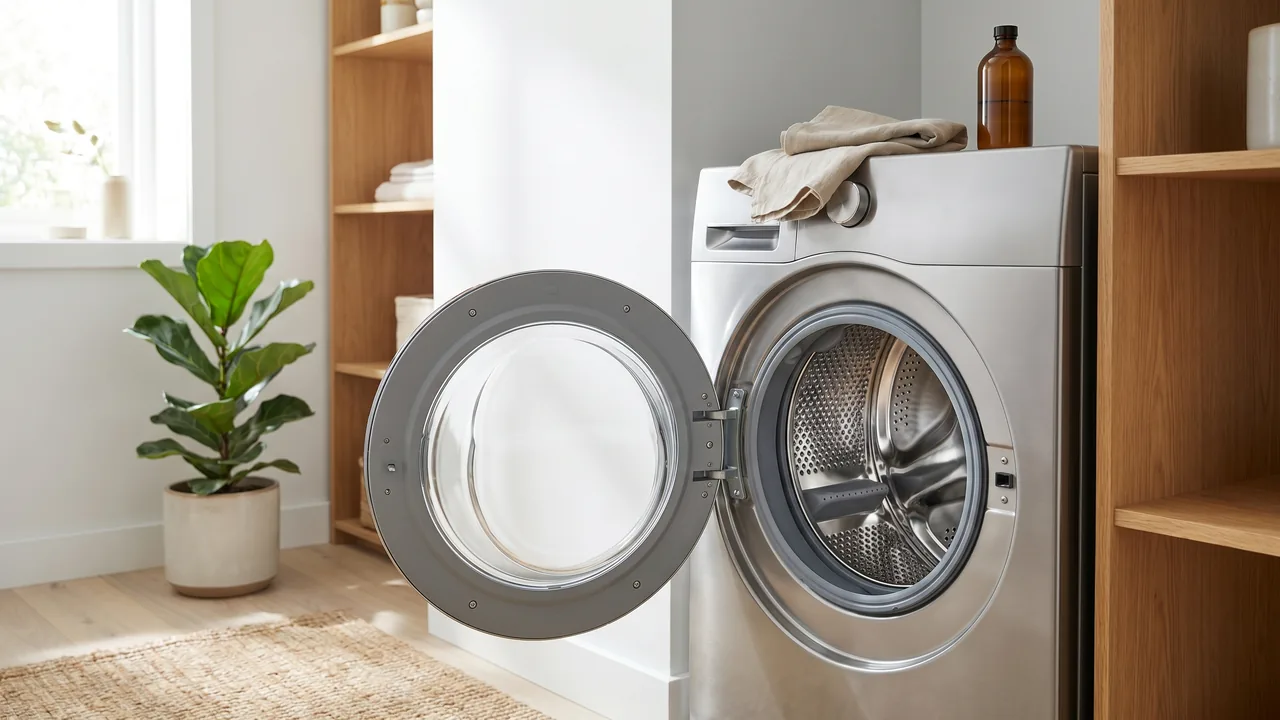
Bad smells in the washing machine almost always come from mold in the rubber door seal and grease that has built up in the drum. The solution is simple and costs you nothing: clean the rubber seal, detergent drawer, and lint filter by hand, and run an empty 90-degree cycle with baking soda or citric acid. Never pour bleach into the machine.
The smell is not because the machine is old or broken. It is caused by how we wash today. We wash at lower temperatures than before, and liquid detergent and fabric softener leave behind a thin layer of grease and soap residue. Damp, warm surfaces behind the seal create a perfect breeding ground for bacteria and mold. That biofilm is what you smell when you open the door.
Where does the smell actually come from?
Most of the dirt in a washing machine collects in three places: the rubber door seal, the detergent drawer, and the lint filter at the bottom front. Top-loading machines have fewer folds for water to collect in, but the principle is the same.
The rubber seal is the worst offender. Water remains standing in the bottom fold after every wash, where black mold spots grow. The detergent drawer gets a sticky coating from incompletely dissolved detergent and fabric softener. The lint filter traps lint, coins, and hair clips, and when water sits there, it rots.
The smell is also linked to temperature. If you wash almost everything at 30 or 40 degrees, the drum never gets hot enough to break down the grease. That is why the machine needs a hot cycle regularly, even if your clothes get clean at low temperatures.
How do I clean the washing machine step by step?
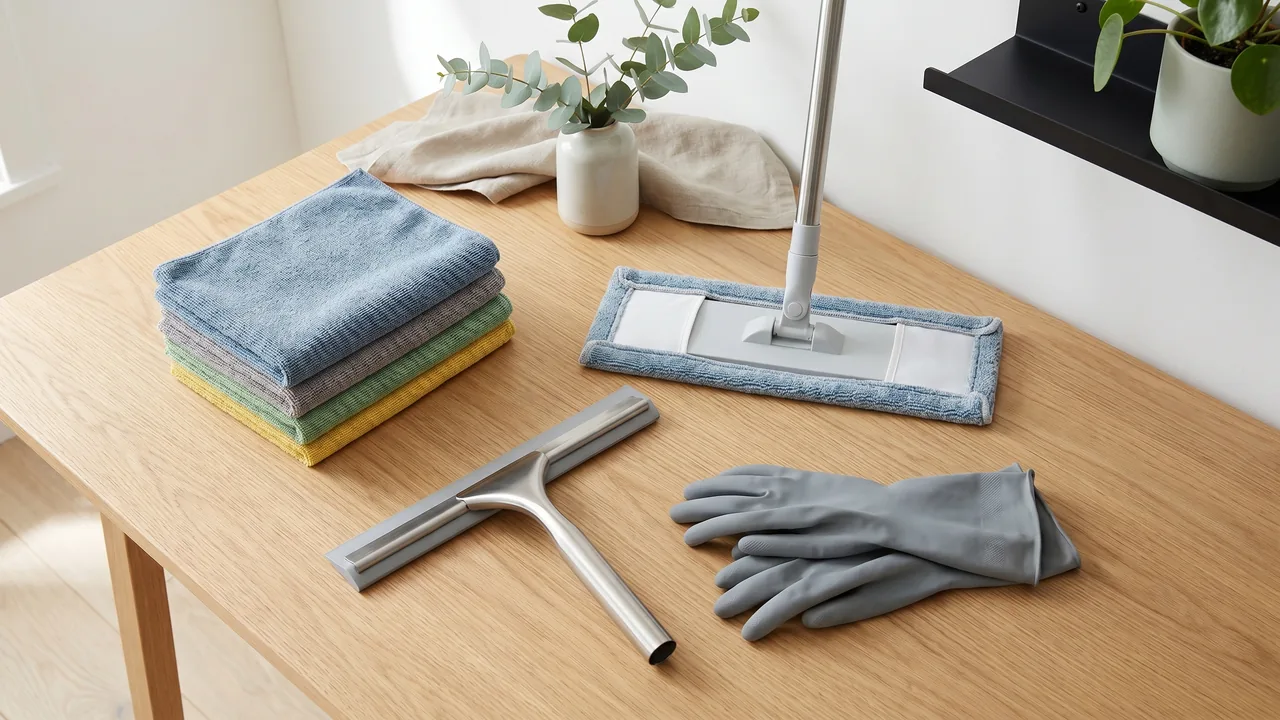
Set aside half an hour. All you need is a cloth, an old toothbrush, baking soda or citric acid, and a little patience with the seal.
- The rubber seal. Gently peel back the fold at the bottom all around the door. Hair, lint, and black mold are often hidden here. Wipe it clean with a damp cloth, and use the toothbrush in the corners. If the mold is stubborn, you can leave the cloth on it with a little baking soda solution for a few minutes before wiping.
- The detergent drawer. Pull the drawer all the way out – most have a small button or catch to release it. Rinse it under warm water and scrub away the sticky coating. Remember the compartment the drawer sat in; mold also grows on its ceiling.
- The lint filter. This is located behind a flap at the bottom front. Place a cloth and a bowl underneath, as water will drain out. Unscrew the filter, remove lint and debris, and rinse it clean. Check the filter every three to four months.
- Empty wash at 90 degrees. With everything clean, run an empty cycle at the highest temperature. Add either about half a deciliter of baking soda into the drum, or two to three tablespoons of citric acid into the detergent drawer. Do not use both at the same time.
- Dry and air out. Wipe the seal and glass dry after the cycle, and leave the door and detergent drawer ajar. A machine that is allowed to air dry will not smell.
A short warning about chemicals
Never pour bleach into the washing machine, and never mix bleach with vinegar or ammonia – bleach and acid produce toxic chlorine gas, while bleach and ammonia produce chloramine. The rule is simple: never mix bleach with anything other than water. If you use citric acid, keep it away from nearby natural stone, marble, and untreated wood surfaces; acid etches and leaves dull spots. Always test in an inconspicuous area first.
Bleach in the drum – does it help against smells?
No. This is a persistent myth. The idea is that bleach disinfects, but the main issue in a washing machine is not loose bacteria – it is a biofilm of grease and soap residue that bleach does not dissolve. You kill a bit on the surface, the smell returns within weeks, and in the meantime, the bleach can corrode rubber seals and other gaskets inside the machine.
What actually works is removing the food the bacteria live on. Heat breaks down grease, mechanical scrubbing removes mold in the seal, and an acidic or alkaline empty cycle dissolves limescale and deposits. Baking soda neutralizes odors and dissolves grease. Citric acid dissolves limescale, which is often part of the problem in hard water areas. Feel free to alternate between the two.
What kind of smell do you have, and what does it mean?
| Smell | Likely cause | Action |
|---|---|---|
| Mold, damp cellar | Black mold in the rubber seal | Scrub the seal by hand, wipe dry, leave the door open |
| Rotten, sewage | Stagnant water in the lint filter or drain | Clean the lint filter, check that the drain hose trap hasn't dried out |
| Sour, rancid | Grease from low-temperature washes and liquid detergent | Empty 90-degree wash with baking soda, wash hotter occasionally |
| Sticky detergent | Overdosing and fabric softener buildup | Reduce the dose, run an empty wash with citric acid |
If it smells like sewage and cleaning the filter does not help, the problem may lie in the drain beneath the machine itself. In that case, it is a good idea to have a professional look at it.
How often do I need to do this?
For a normal household, an empty wash at 90 degrees about once a month is sufficient, along with wiping the seal and leaving the door ajar between washes. If you almost always wash at cold temperatures, use a lot of fabric softener, or have young children with many dirty loads, you can do it every two weeks. Check the lint filter a few times a year.
The cheapest insurance against bad smells is everyday habits: let the door and detergent drawer air out, dose detergent according to the package rather than by eye, and run a hot wash of towels or bedsheets now and then so the drum gets properly hot.
Does the same apply to the dishwasher?
Yes, the principle is identical. Bad smells from the dishwasher come from food residue, grease, and limescale – not from the machine being broken. The three places to clean are the bottom filter, the spray arms, and the door seal.
- The bottom filter. Lift it out at the very bottom and rinse away food residue and slime under running water. This is the most common cause of smells, and it takes two minutes.
- The spray arms. Check that the small holes are not clogged with limescale or food residue. A toothpick or toothbrush clears most blockages.
- The seal and edge. Wipe the door seal and the edge around the door, where old grease and food scraps often hide.
Then run an empty cycle at the highest temperature with a little citric acid or a dedicated dishwasher cleaner. Here too, leave the door ajar after the cycle finishes so the machine can dry. A closed, damp dishwasher quickly smells sour.
When is it worth getting help?
Most people can handle this themselves in under an hour, and it is one of the easiest maintenance tasks in the house. Should you still need help – perhaps in connection with a deep clean or moving – we are happy to take care of the appliances as part of the job. If you are moving out, you will find a complete walkthrough in our checklist for move-out cleaning and a price overview in the guide on what move-out cleaning costs.
If you prefer to prevent smells and wear with milder products, we have gathered our advice in the article on eco-friendly cleaning at home. And if you wonder how often you should actually do the various cleaning tasks around the house, you will find an overview in the guide how often you should clean your home.
In summary: the machine smells because it is damp, warm, and full of grease that bacteria love. Clean the seal, drawer, and filter, run a hot empty wash with baking soda or citric acid, and let the machine air dry. That way, you avoid both the smell and an expensive service call.