Stain removal A–Z: chart by stain type and surface
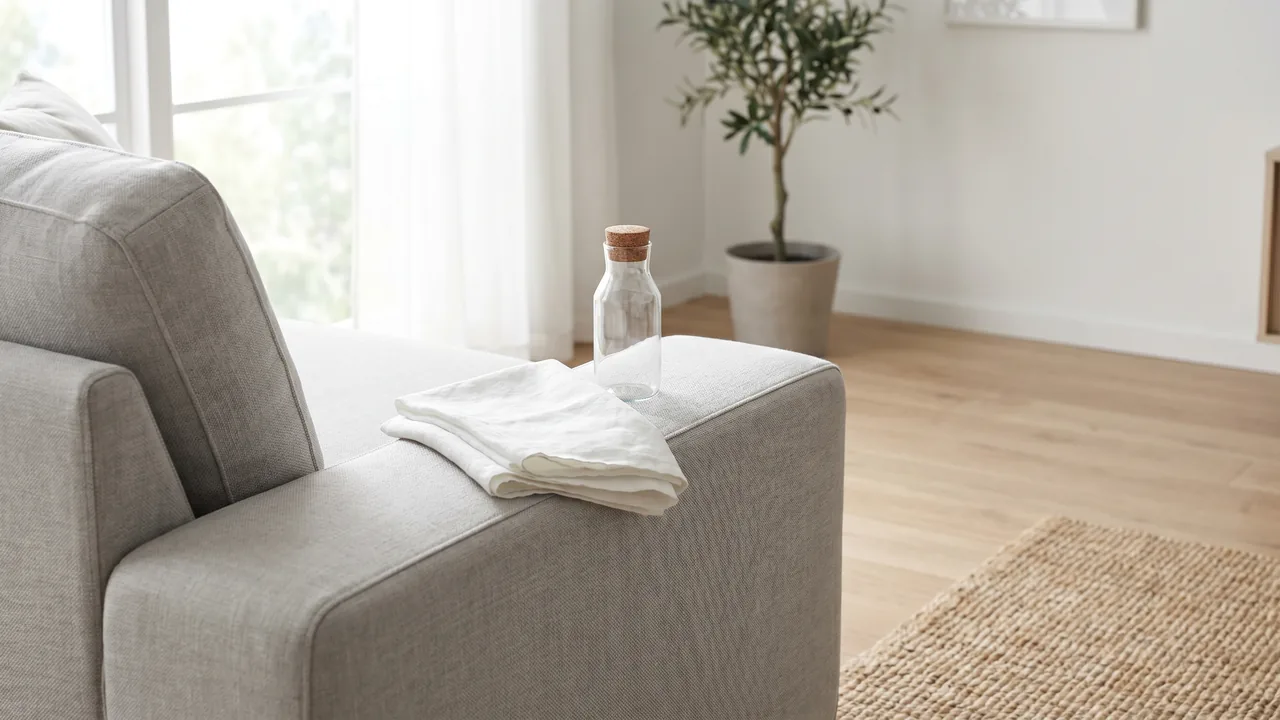
The most important rule in stain removal is simple: act immediately, and use cold water on anything containing protein—blood, egg, milk, sweat. Hot water coagulates the protein and locks the stain in. Dab, do not rub. And always test the product in an inconspicuous spot before tackling the stain itself.
Which Rule Applies to All Stains?
Four steps determine whether a stain releases or sets permanently:
- Act while it's fresh. A stain that has just landed sits on the surface. If left to dry out, it binds to the fibers and becomes much harder to remove.
- Cold water on protein stains. Blood, egg, milk, and sweat coagulate in heat. Always start cold.
- Dab from the outside in. Rubbing spreads the stain and pushes it deeper. A clean, damp cloth dabbing from the edge toward the center keeps the stain contained.
- Test in an inconspicuous spot first. An inside seam, the back of a couch cushion, or a patch of carpet under the sofa. Wait a minute and check for discoloration before treating the stain itself.
Never mix cleaning products on your own. In particular: never mix bleach with anything other than water.
Safety warning: never mix bleach with anything other than water. Bleach + vinegar creates chlorine gas. Bleach + ammonia or ammonium chloride creates chloramine. Both are toxic gases you do not want in a closed bathroom or laundry room. Keep products separate and ventilate well.
Which Product Suits Which Stain and Surface?
This is the core of stain removal. The horizontal axis is the surface, and the vertical axis is the type of stain. Select the cell where they meet. Always test products in an inconspicuous spot first.
| Stain | Fabric (clothes) | Sofa (fabric) | Mattress | Carpet | Painted wall |
|---|---|---|---|---|---|
| Blood | Rinse in cold water, then a little pine oil soap. Never warm. | Dab with a cold, damp cloth + a drop of pine oil soap. | Cold water + a little salt, dab, allow to air-dry. | Cold cloth, dab from the outside in. | Damp cloth, mild soapy water, dab gently. |
| Grease | Sprinkle cornstarch/talcum powder, brush off, wash warm with dish soap. | Cornstarch, leave for 15 min, brush off, dab with dish soap solution. | Cornstarch, brush off, dab gently. | Cornstarch overnight, vacuum, dab the remainder. | Dish soap solution, dab — do not scrub matte paint. |
| Red wine | Sprinkle salt immediately, rinse cold, wash. | Dab up excess, salt/club soda, then mild soapy water. | Dab, cold water + a little dish soap. | Dab up immediately, cold water, mild soapy water. | Damp cloth, mild soapy water, dab. |
| Coffee/tea | Rinse cold immediately, then warm with dish soap. | Mild soapy water, dab, rinse off with a damp cloth. | Cold water + dish soap, dab. | Mild soapy water, dab from the outside in. | Mild soapy water, dab gently. |
| Ink | Dab with isopropyl alcohol (rubbing alcohol) on a cotton pad, wash afterward. | Rubbing alcohol on a cotton pad, dab gently, finish with a damp cloth. | Rubbing alcohol, dab — use fluid sparingly. | Rubbing alcohol on a pad, dab, finish with water. | Rubbing alcohol on a cotton pad, dab gently — may dissolve paint. |
| Soot/candle wax | Scrape off cold wax, place blotting paper over, press with a warm iron. | Scrape gently, blotting paper + lukewarm iron, dab grease residue. | Scrape off, dab grease residue with dish soap. | Scrape off, blotting paper + iron, dab the remainder. | Scrape gently, dab with mild soapy water. |
| Grass | Dab with a little pine oil soap, leave to soak, wash as instructed. | Mild soapy water + drop of dish soap, dab. | Mild soapy water, dab — sparingly. | Mild soapy water, dab from the outside in. | Mild soapy water, dab gently. |
A few clarifications regarding the table:
- “Mild soapy water” means a few drops of dish soap or a little pine oil soap in lukewarm water. Do not pour liquid directly onto a sofa, mattress, or carpet — moisten the cloth, not the surface. Excess water penetrates deep into filling and foam and dries slowly, creating a risk of mold odor.
- Rubbing alcohol (isopropyl alcohol) dissolves ink effectively, but it can also dissolve glue, varnish, and paint. Stick to a small amount on a cotton pad and dab carefully.
- On painted walls, the paint type is critical. Matte and chalk-based paint cannot withstand heavy scrubbing. Glossy and washable paint is more durable. Test in a hidden area near the baseboard behind a sofa first.
When Should I Avoid Vinegar or Citric Acid?
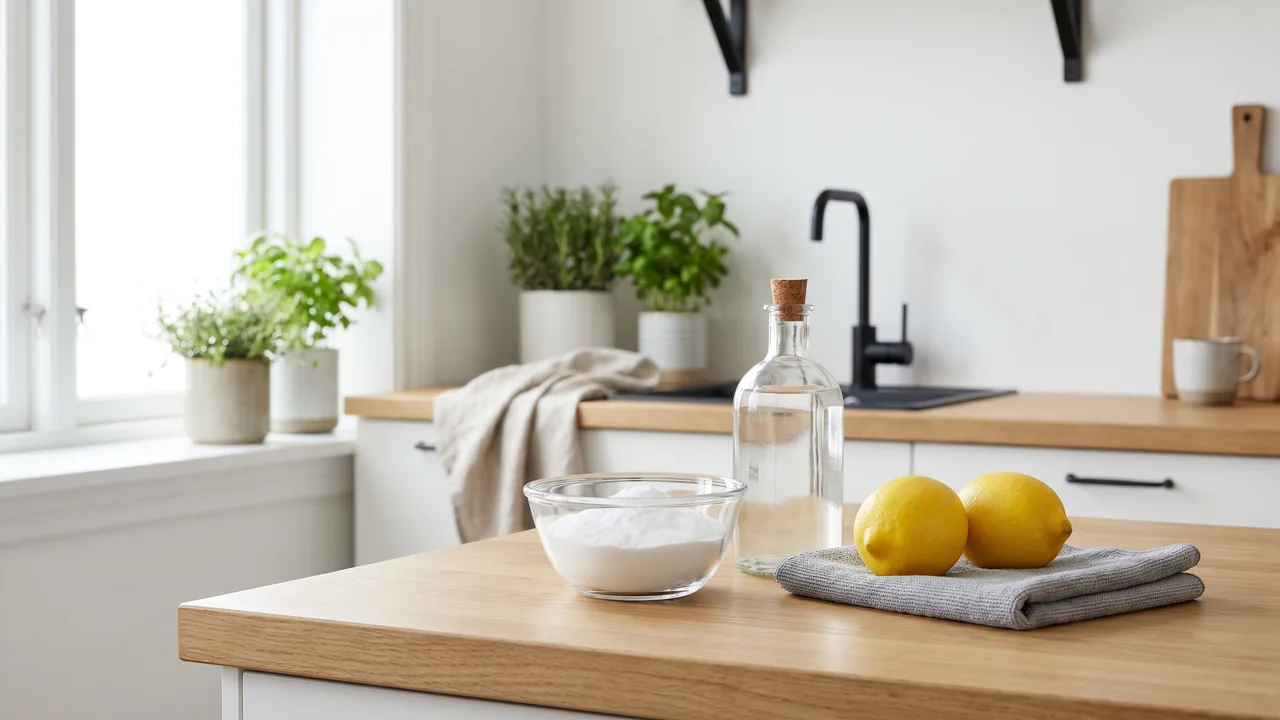
Many stain removal tips recommend vinegar or citric acid. While effective against limescale and certain stains, the acid etches natural stone. On marble, granite, and slate, it creates dull, permanent marks that cannot be polished away at home. It can also damage untreated wood and certain enamelled surfaces.
The general rule: never use vinegar or citric acid on natural stone or marble, and always test in an inconspicuous spot first. If you have a limescale spot on a stone table or marble countertop, stick to mild soapy water and a soft cloth, or a cleaner specifically formulated for natural stone. If you need to remove limescale in the bathroom, see our dedicated guide to removing limescale in the bathroom and shower.
What Do I Do When the Stain Won't Come Out?
Applying the same product repeatedly carries two risks: permanently setting the stain, and bleaching the surrounding fabric. Stop after one or two attempts if you do not see progress.
When you should stop and call a professional:
- Valuable or delicate textiles: silk, wool, genuine leather, antique furniture, and rugs. Using the wrong product here is far more expensive than professional cleaning.
- Large, old, dried-in stains on a mattress, sofa, or carpet, where liquid has soaked deep into the padding.
- Natural stone and marble with etched or dull spots — this requires grinding and polishing, not a home remedy.
- When the odor persists. If a smell remains after the visible stain is gone, something has settled deep inside the filling or underlay.
An upholsterer, dry cleaner, or professional cleaning company equipped with an extraction machine for sofas and carpets can extract deep-set dirt you cannot reach with a cloth. It comes at a cost, but market rates typically range from a few hundred NOK for a single stain to several thousand for cleaning an entire sofa or large rug (market estimate as of 2026, not a quote).
What Equipment Do I Need at Home?
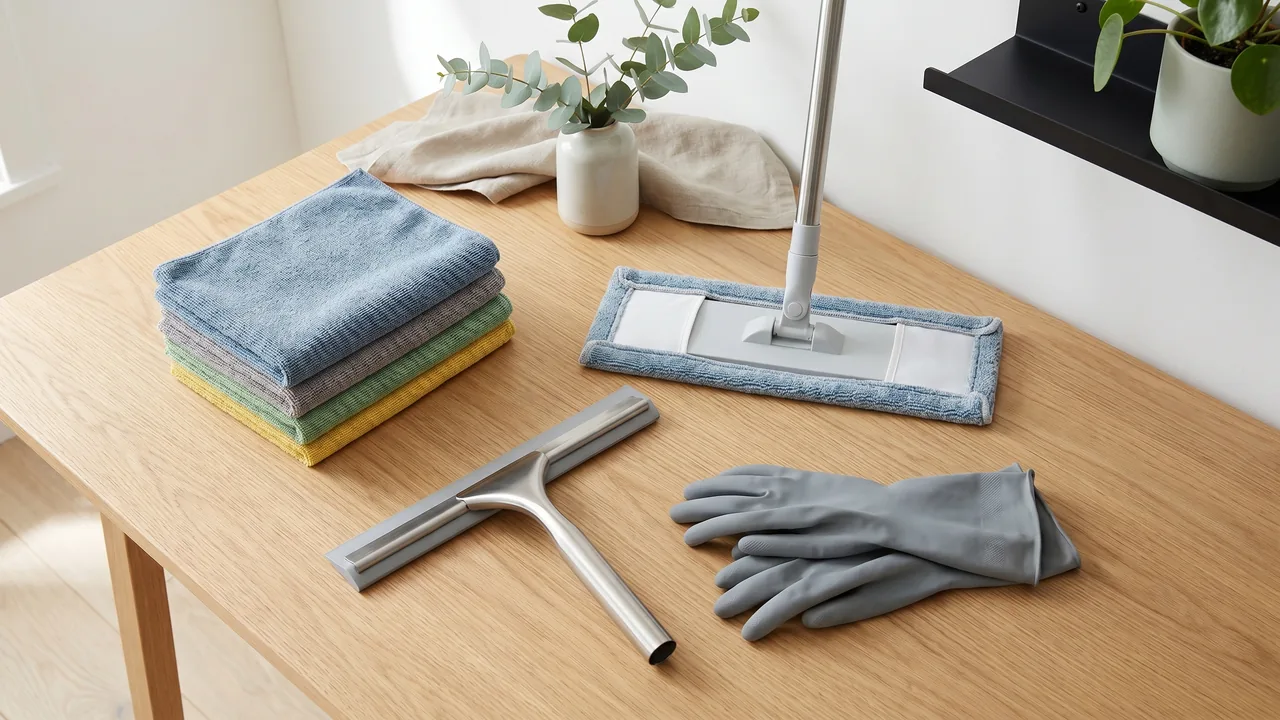
You can achieve a lot with very little. A basic kit covering most items in the table above:
| Tool/product | Use |
|---|---|
| Clean, white cloths or cotton pads | Dabbing without transferring color to the fabric |
| Mild dish soap | Grease, coffee, general stain removal |
| Pine oil soap | Blood, grass, gentle all-round cleaning |
| Cornstarch or talcum powder | Absorbing grease prior to washing |
| Salt | Sprinkle immediately on red wine and fresh blood |
| Isopropyl alcohol (rubbing alcohol) | Ink |
| Blotting paper + iron | Candle wax |
If you want to set up a more complete, eco-friendly cleaning cabinet, we have gathered advice in eco-friendly home cleaning and best cleaning equipment 2026. If you plan to treat a larger surface than a single stain — an entire sofa or a whole room — it pays to read deep cleaning vs. regular cleaning first, so you know whether you are dealing with a quick spot treatment or a full project.
In Summary
Treat stains while they are fresh, use cold water on protein-based stains, dab instead of rubbing, and always test in an inconspicuous spot before treating the stain itself. Never mix bleach with anything other than water, and keep acids away from natural stone. When dealing with a large, old stain or a valuable textile, hiring a professional is cheaper than replacing a ruined sofa. If you need help choosing a professional service, see how to select the right cleaning provider, and verify that the company has a legal status in Renholdsregisteret (the Norwegian Labour Inspection Authority's Renholdsregisteret).